We’ve all been there: peering through the oven glass, timer ticking down, wondering if that cake is truly ready or if the middle is still a little shy. While every KrusteazⓇ box gives you a reliable time range, your oven is as unique as your kitchen, factors like oven calibration and even the type of pan you use can change the “magic moment”.
Think of this as your baking “cheat sheet.” We’re going to help you stop guessing and start knowing, so you can enjoy perfect results every single time.
Key Takeaways
- The “Big Three” Universal Tests
- Internal Temperature Guide by Treat
- Specific Cues: Cookies, Cakes, & More
- Gluten Free Baking Tips
- Frequently Asked Questions
The “Big Three” Universal Tests
Before we dive into specifics, every baker should master these three foundational ways to check for doneness:
- The Scientific Test: Using a digital thermometer to check the internal temperature is the only foolproof way to ensure a perfect bake.
- The Visual Test: Look for golden-brown edges and a gentle pull-away from the sides of the pan.
- The Physical Test: This includes the classic “toothpick test” or the “spring-back” touch, where you gently press the center to see if it bounces back.
Internal Temperatures: The Science Of Soft
If you want to bake like a pro, grab a thermometer! Here is the “language” of doneness for your favorite bakes:
| Baked Good | Target Internal Temperature | The “Physical” Cue |
| Yeast Breads | 190°F – 210°F | Sounds hollow when you tap the bottom. |
| Cakes & Cupcakes | 205°F – 210°F | Toothpick comes out clean or with dry crumbs. |
| Brownies | 165°F – 175°F | The Exception: Toothpick should have moist crumbs! |
| Quick Breads | 200°F – 205°F | The center feels firm and stable. |
How to Spot Doneness by Treat
Cookies: The Art of the Carry-Over
The biggest secret to a bakery-quality cookie is knowing when to stop. Many bakers make the mistake of waiting until the middle of the cookie looks fully baked, but by then, it’s actually overdone! Because your baking sheet stays hot once it leaves the oven, cookies continue to cook for several minutes on the counter, a process known as “carry-over cooking.” To achieve that perfect chewy center, you should pull your cookies when the edges are set and just beginning to turn golden, even if the centers still look a little soft and “under-set.”
Cakes: No More Sunken Centers
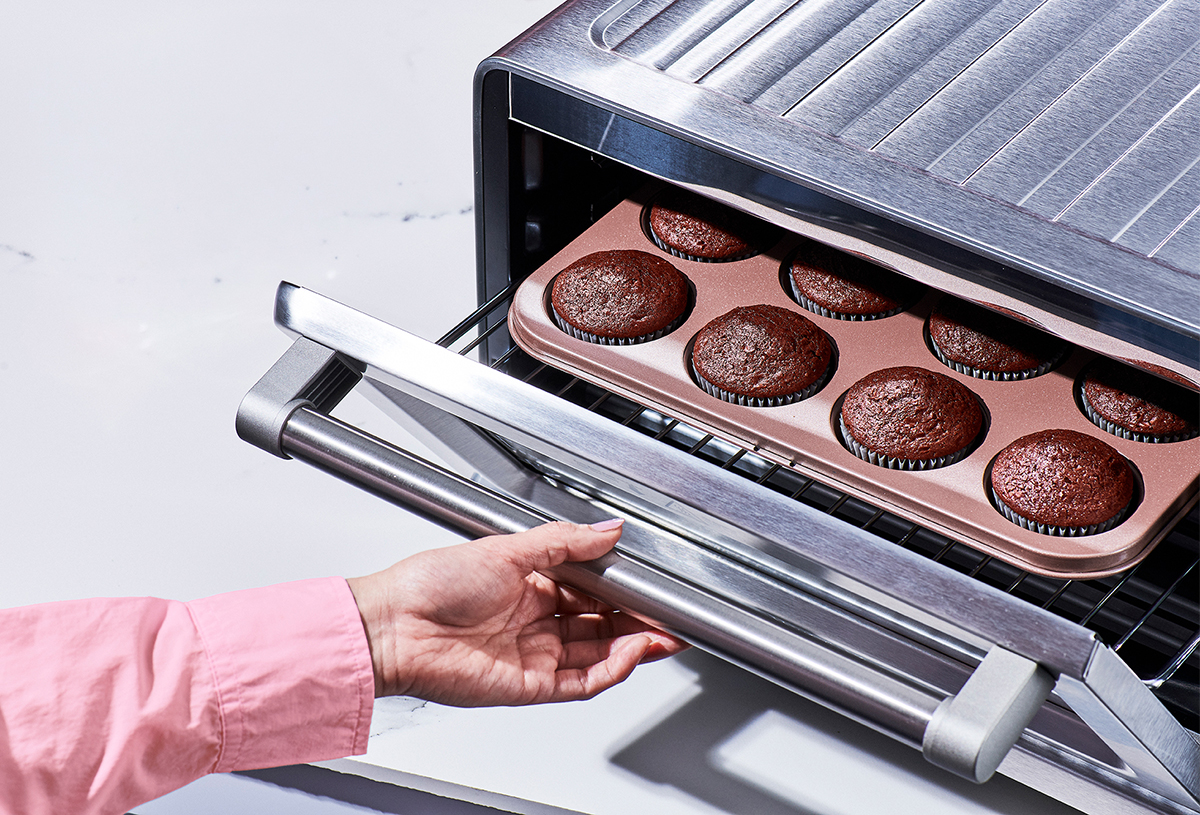
Cakes require a bit of patience and a gentle touch. A common reason cakes sink in the middle is that the oven door was opened too early, causing a sudden temperature drop before the structure was strong enough to hold itself up. To avoid this, wait until the very end of the recommended time range before checking. Instead of just looking at the color, use the “spring-back” test: gently press the center of the cake with your finger. It should feel light and bouncy, springing back instantly without leaving an indentation or feeling sticky.
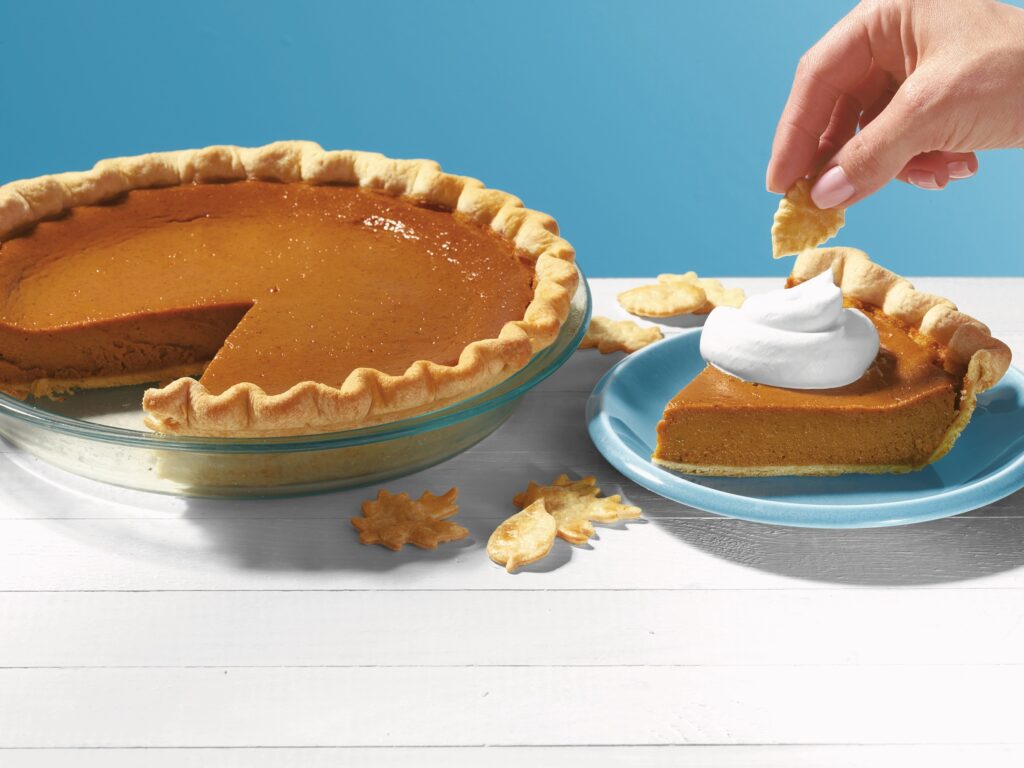
Pies: Bubbles vs. Jiggles
Knowing when a pie is done depends entirely on what’s inside the crust.
- For Fruit Pies: You are looking for clear, thick bubbles. Because fruit pies use starches (like cornstarch or flour) to thicken the juices, those juices must reach a full boil to “activate” the thickening power. Look for bubbles that are slow and heavy in the center of the pie, not just around the edges.
- For Custard and Pumpkin Pies: You want to avoid bubbles! Bubbles in a custard mean it’s overcooking and might crack. Instead, use the jiggle test and gently nudge the pie. The edges should be firm and set, but the center (about 1 or 2 inches) should jiggle slightly like firm gelatin. It will finish setting up completely as it cools on the counter.
Doneness Tips for Gluten Free Baking
Gluten free treats can be a little more temperamental. They often require a slightly longer baking time and usually benefit from hitting the higher end of the internal temperature range to prevent a gummy texture.
Frequently Asked Questions
What are the three most common ways to determine doneness?
The three foundational tests are visual (color), physical (toothpick/touch), and scientific (internal temperature).
Why did my cake sink in the middle?
This is usually caused by underbaking, overmixing the batter, or opening the oven door too frequently, which prevents the structure from setting properly.
How do I tell if muffins are done?
Insert a toothpick into the center of the largest muffin. It should come out clean or with just a few dry crumbs attached.
Can I fix a dry or crumbly cake after it’s baked?
Yes! You can lightly brush the layers with a simple syrup (sugar and water) before frosting to add moisture back in.
Does a pie keep cooking after I take it out?
Yes, significantly. A pie, especially a fruit or custard one, needs at least 2-4 hours to fully set. Cutting into a hot pie is the #1 reason for a runny filling!
Should I adjust my bake time if I live at a high altitude?
Baking at high altitudes (usually above 3,000 feet) means lower air pressure, which causes baked goods to rise faster and moisture to evaporate more quickly. Generally, you’ll want to increase your oven temperature slightly (by about 15-25°F) and decrease your bake time. Keep a close eye on your treats and start testing for doneness 5-8 minutes earlier than the suggested bake time!
Does an oven thermometer really make a difference?
Absolutely, most home ovens are off by 10 to 25 degrees! An inexpensive oven thermometer hangs right on your rack and tells you the real temperature, which is the best way to ensure your bake times are accurate.
How do I tell if brownies are done without a toothpick?
If you don’t have a toothpick handy, look at the edges. Done brownies will start to slightly “pull away” from the sides of the pan. You can also give the pan a very gentle shake; the center should look set and stable, not like a liquid wave.
Does the color of my pan affect the baking time?
Yes! Dark or dull metal pans absorb more heat and can cause the edges of your cakes or cookies to brown (or even burn) before the middle is done. If you’re using a dark pan, we recommend lowering your oven temperature by 25 degrees and checking for doneness a few minutes early.