There’s nothing better than pulling a perfectly baked pie from the oven with a golden crust, smooth filling, and beautiful finish. But sometimes, cracks happen! The good news? Most pie cracks are caused by a few simple baking mistakes that are easy to fix.
At Krusteaz®, we believe every bake is a chance to learn something new. Whether your pumpkin pie has a crack down the center or your custard filling looks a little uneven, these simple tips will help you create smooth, picture-perfect pies every time.
Key Takeaways:
- Why Pies Crack & How to Prevent It
- The Importance of Temperature & Timing
- How to Avoid Overbaking Your Pie
- Simple Fixes for Cracked Pie Tops
- Setting Yourself Up for Success
- Frequently Asked Questions
Why Do Pies Crack?
Most pie cracks happen when the filling sets too quickly or gets too hot during baking. Custard-style pies, like pumpkin or cream pies, are especially sensitive because their smooth texture depends on gentle baking.
A well-prepared crust can also help create a better foundation for your pie. Starting with a reliable pie crust recipe or mix helps ensure an even bake and lets your filling set properly without adding extra stress to the pie as it cools.
As your pie cools, the filling naturally contracts. If the outside has already set too firmly while the center is still expanding, cracks can form on the surface.
The good news? A few small adjustments can make a big difference.
Don’t Overbake Your Pie
One of the biggest reasons pies crack is baking them too long. While it can be tempting to keep your pie in the oven until the center looks completely firm, many pies continue setting as they cool.
For custard and pumpkin pies, look for a slight jiggle in the center when you gently move the pie. The edges should look set, while the middle should still have a little movement.
Think of it as the perfect jiggle. Not liquid, but not completely firm either.
Avoid Sudden Temperature Changes
Pies prefer a gradual transition when cooling. Moving a pie from a hot oven into a much cooler environment can cause the filling to contract too quickly, which may lead to cracks.
Try these tips instead:
- Turn off the oven when your pie is finished and let it rest inside with the door slightly open for a few minutes.
- Let your pie cool slowly on the counter before placing it in the refrigerator.
- Avoid moving or cutting into your pie while it is still warm.
Bake Low And Slow
High heat can cause the edges of your pie to set faster than the center, creating tension that leads to cracks.
A lower baking temperature helps your filling cook evenly and gives the structure time to set without drying out.
For the best results:
- Follow the recipe’s recommended temperature.
- Use an oven thermometer to ensure your oven is at the proper temperature.
- Avoid opening the oven door too often, which can cause temperature fluctuations.
Don’t Overmix Your Filling
When making custard-based pies, extra mixing can add unwanted air bubbles. Those bubbles expand while baking and can create an uneven surface or cracks.
For a smoother filling:
- Mix ingredients just until combined.
- Avoid whipping extra air into eggs and dairy-based fillings.
- Strain your filling before pouring it into the crust for an ultra-smooth texture.
How To Fix A Cracked Pie
Even experienced bakers have pie cracks from time to time, but that does not mean your dessert is ruined!
Here are a few easy fixes:
Add A Topping
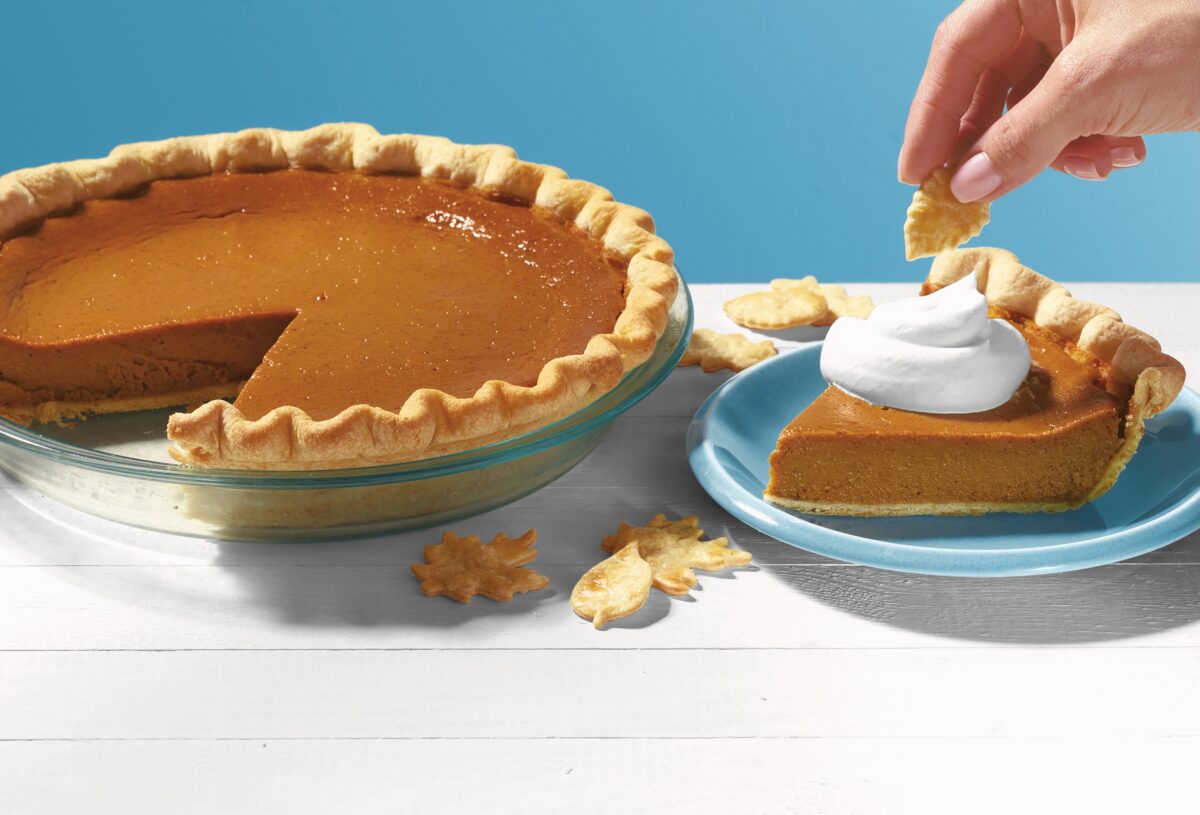
A little whipped cream, fresh fruit, caramel drizzle, or a sprinkle of cinnamon can turn a crack into a delicious finishing touch.
Embrace The Rustic Look
Some of the best homemade desserts are the ones that look homemade. A small crack is simply proof that your pie was baked with love.
Cover It Up
If your pie has a deeper crack, you can gently fill the area with whipped topping or another decorative layer before serving.
Set Yourself Up For Pie Success
The best way to prevent cracks is to start with the right baking habits:
- Use the correct pan size so your filling bakes evenly.
- Follow the recipe measurements closely.
- Keep an eye on visual cues instead of relying only on bake time.
- Allow your pie to cool completely before slicing.
- Start with a dependable crust, like Krusteaz Pie Crust Mix, for a flaky base that bakes up beautifully every time.
Remember, baking is all about practice. Each pie teaches you something new, and every bake gets you closer to your perfect slice!
Frequently Asked Questions
Why did my pumpkin pie crack?
Pumpkin pies usually crack because they were overbaked or cooled too quickly. Remove the pie when the center is slightly jiggly and allow it to cool gradually.
Can I still eat a pie with cracks?
Absolutely! A cracked pie is still delicious. Cracks usually affect the appearance, not the flavor or texture.
How do I prevent cheesecake-style pies from cracking?
Cheesecake-style pies can crack when they are overbaked or exposed to sudden temperature changes. Bake gently, avoid opening the oven door frequently, and allow them to cool slowly.
Should I refrigerate my pie right after baking?
It’s best to let your pie cool at room temperature first. Moving a hot pie directly into the refrigerator can cause the filling to contract quickly.
How do I know when my pie is done?
For custard pies, the edges should be set and the center should have a slight jiggle. The filling will continue to firm up as it cools.
Can I fix a cracked pie after it cools?
Yes! Add whipped cream, fruit, or a decorative topping to cover the crack and give your pie a finished look.
What is the best store-bought pie crust that does not crack?
Look for a crust with good moisture balance and structure so it rolls and bakes evenly. Krusteaz Pie Crust Mix is a reliable option that creates a flaky, tender crust that holds together well and is easy to work with.
How do I tell if my pie is overbaked?
An overbaked pie will look very firm in the center, dry around the edges, or show deep cracking. The filling should never lose its slight jiggle before cooling.
What should I do if my pie top is burning?
Cover the top loosely with foil to slow browning and let the filling continue baking until set. You can also move the pie to a lower oven rack if needed.
How do I stop the edges of my pie from getting too dark?
Use a pie crust shield or foil to cover the edges once they start browning. This protects the crust while allowing the filling to finish baking evenly.
What are pie crust shields and do they work?
Pie crust shields are reusable tools that cover the edges of a pie to prevent overbrowning. They work well for even baking and are easier to use consistently than foil.
Aluminum foil vs. pie crust shields: which is more effective?
Pie crust shields are more effective because they fit securely and are designed for pies. Foil is a good backup option, but it can shift during baking and may not cover edges as evenly.