Even the most seasoned bakers have days when the cookies come out flat or the cake decides to stay in the pan. At KrusteazⓇ, we see these as “happy accidents” that lead to a better baking tomorrow. Whether you’re dealing with a sunken center or a salty surprise, most baking blunders have a simple fix, or a clever way to repurpose them into something brand new!
Key Takeaways:
- Quick Fixes for Under and Overbaked Treats
- Texture Troubleshooting
- Visual Fixes
- Setting Yourself Up for Baking Success
- Frequently Asked Questions
Rescue Your Bake
Timing is everything in the kitchen. If your timer goes off but your treat isn’t quite ready, use these universal saves to get things back on track.
The Still Gooey Save (Underbaked)
If the center is raw but the outside is already brown, don’t keep baking it uncovered. Tent the top with aluminum foil to reflect heat away from the crust while the middle catches up. This works perfectly for quick breads, pies, and thick cakes.
The Moisture Injection (Overbaked)
If your bake comes out dry or crunchy, it needs a hydration boost. For cakes and muffins, brush them with a simple syrup or milk while they are still warm. For hard cookies, place them in a sealed container with a slice of fresh white bread overnight. The cookies will soften right up by absorbing the moisture from the bread.
Texture Troubleshooting
The texture of your bake tells the story of how the batter was handled. Here is how to troubleshoot those common texture “tells.”
Tough And Dense Textures
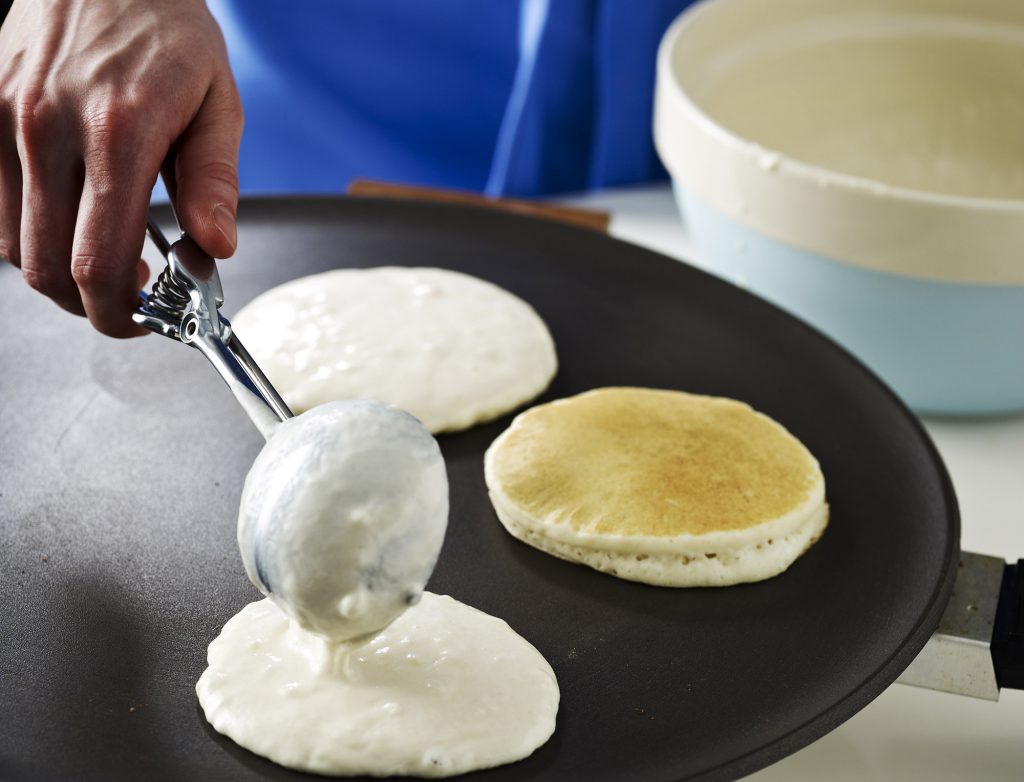
This is the universal sign of overmixing. When you stir too much, you develop too much gluten. Whether you are making pancakes or muffins, the rule is the same: mix until the flour just disappears. Lumps are actually your friend in many batters!
Flat And Spreading Treats
This usually happens when your fats are too warm or your leavening agents have expired. To prevent this, chill your dough if your kitchen is hot and check your expiration dates every six months.
Crumbly Results
If your treat is falling apart, there might not have been enough liquid or it was sliced while still hot. Always let your bakes sit on a wire rack for at least 15 minutes to allow the structure to firm up.
Visual Fixes
We eat with our eyes first! Use these tips to ensure your treats look as good as they taste.
The Sunken Center
This often happens if the oven door was opened too soon. If your cake or muffins sink, just pivot! Fill the “crater” with fresh fruit, whipped cream, or extra frosting for a beautiful, intentional look.
Uneven Browning
If one side is dark and the other is pale, your oven likely has hot spots. The fix is simple: rotate your pans 180 degrees halfway through the baking time to ensure even heat circulation.
Set Yourself Up For Baking Success
The best way to fix a baking mistake is to prevent it before it happens! By following a few simple steps before you even turn on the oven, you can ensure that every treat turns out exactly like it’s supposed to.
- Check Your Dates: Always peek at the “Best By” date on your boxed mixes and the expiration dates on any pantry staples like baking powder or yeast. Fresh ingredients are the foundation of a great bake.
- Verify Your Oven Temperature: Most ovens are off by a few degrees. Use an inexpensive oven thermometer to make sure “350°F” on the dial actually means 350°F in the oven.
- Use the Right Tools: Always use the pan size called for in the instructions. Using a pan that is too large can lead to thin, dry bakes, while a pan that is too small can cause overflows or raw centers.
- The Spoon and Level Method: When adding flour or dry ingredients, never scoop directly with the measuring cup. Instead, fluff the flour, spoon it into the cup, and level it off with the back of a knife to avoid a dense, dry result.
- Don’t Rush the Preparation: Ensure your cold ingredients, like eggs or butter, are at the temperature specified in the recipe. Room temperature ingredients emulsify much better, leading to a smoother batter and a more even crumb.
- The “Halfway” Rotation: About halfway through the baking time, gently rotate your pans. This accounts for any hot spots in your oven and ensures your treats brown beautifully and evenly on all sides.
Remember, baking is supposed to be fun! Even if things don’t go perfectly the first time, every batch gets you one step closer to being a master baker.
Frequently Asked Questions
Can I fix a batter if I forgot the eggs?
If it isn’t in the oven yet, yes! Whisk the eggs separately and then gently fold them into the existing batter until combined.
Why do my chocolate chips sink to the bottom?
Gravity! To stop this, toss your chocolate chips or blueberries in a teaspoon of dry flour before folding them into the batter. This helps them grip the batter and stay suspended.
Is it okay to bake two trays at once?
Yes, but stagger the trays on different racks so they aren’t directly above each other. Rotate them halfway through to ensure the heat reaches everything evenly.
Why did my cake sink in the middle?
This usually happens if the oven door was opened too early, causing a temperature drop, or if the cake was underbaked. It can also happen if there is too much leavening (baking powder or soda) for the altitude.
How can I fix brownies that are too dense or gummy?
Gummy brownies are often the result of underbaking or using too much liquid or fat. To save them, let them cool completely (even in the fridge) to let the structure set, or “rescue” them by cutting them into small bites and tossing them into a trifle.
Why are my cookies flat and spread out?
Your dough was likely too warm! If the butter melts before the flour sets, the cookies spread. Next time, chill the dough for 30 minutes. Also, avoid placing dough on a hot cookie sheet from a previous batch.
Why is my bread not rising?
The most common culprit is expired yeast or using water that was too hot (which kills the yeast) or too cold (which keeps it dormant). Check your yeast by “blooming” it in warm water with a pinch of sugar first.
What should I do if my batter is too runny or too thick?
For a runny batter, whisk in a tablespoon of flour at a time until it coats the back of a spoon. For a thick, “brick-like” batter, add a splash of milk or water to loosen it up.
How can I prevent baked goods from sticking to pans?
Beyond just greasing, try “greasing and flouring” or using parchment paper. For hands, a little bit of oil or a dusting of flour on your palms will stop the dough from clinging to you.
My baked goods taste bland. How can I fix that?
Usually, this means a pinch of salt was forgotten! Salt balances the sugar. If it’s already baked, a salted caramel drizzle or a sprinkle of flaky sea salt on top can save the flavor profile.
Why does my frosting turn out too runny or hard to spread?
If it’s too runny, add more powdered sugar or chill it for 20 minutes. If it’s too hard, add milk one teaspoon at a time. Never frost a warm cake, the heat will melt the frosting instantly!
How can I fix a dry or crumbly cake after baking?
Brush the cake with a “simple syrup” (equal parts sugar and water) while it’s still slightly warm. This adds moisture directly into the crumb without making it soggy.
Can I fix cracks or uneven surfaces on cakes?
Absolutely! Use a serrated knife to gently “level” the top of the cake once it’s cool. For cracks, simply fill them with frosting, it acts like “baker’s spackle” and hides any imperfections.