We’ve all been there. You’re ready to whip up a batch of cookies or put the finishing touches on a homemade cake, only to realize the butter is still sitting in the fridge. Don’t worry! You don’t have to put your baking plans on hold.
Softened butter is an important ingredient in many baking recipes, helping create everything from tender cookies to smooth, fluffy frosting. And while leaving butter on the counter is the traditional approach, there are plenty of ways to speed things up when you’re short on time.
Whether you’re planning ahead or need softened butter in just a few minutes, we’ve got simple, reliable methods to help you get the perfect consistency for your next bake.
Key Takeaways
- What Is Softened Butter?
- How to Soften Butter Quickly
- Which Butter Softening Method Is Best?
- Why Softened Butter Matters in Baking
- Softened Butter vs. Melted Butter
- Common Mistakes to Avoid
- Frequently Asked Questions
What Is Softened Butter?
Softened butter is butter that has warmed enough to become pliable and easy to mix while still holding its shape. It’s often called room temperature butter, but that doesn’t mean it should feel warm or start melting.
For most baking recipes, the ideal temperature for softened butter is around 65°F to 68°F. At this temperature, butter is soft enough to cream with sugar or blend into other ingredients without becoming greasy or losing its structure.
Not sure if your butter is ready? Try the finger test! Gently press your finger into the surface of the butter. If it leaves a small indentation without your finger sinking all the way through, you’re good to go.
Here’s how to tell the difference:
- Too Cold: Butter feels firm and resists pressure, making it difficult to mix evenly into batters or frostings.
- Just Right: Butter feels soft and pliable but still holds its shape, making it ideal for creaming and mixing.
- Too Warm: Butter looks shiny, greasy or partially melted, which can affect the texture of your finished baked goods.
How To Soften Butter Quickly
Forgot to take your butter out of the refrigerator? No problem! There are several easy ways to soften butter, and the best method depends on how much time you have and what you’re planning to bake.
1. Let Butter Soften At Room Temperature
If you have a little extra time, letting butter soften naturally is one of the easiest and most reliable methods.
How to do it:
- Remove the amount of butter you need from the refrigerator.
- Place it on a plate or in a covered butter dish.
- Leave it at room temperature for approximately 30 to 60 minutes, depending on the temperature of your kitchen.
- Check the consistency using the finger test before adding it to your recipe.
This method allows butter to soften evenly without accidentally melting. It’s especially helpful when baking cookies, cakes or other treats that require butter to be creamed with sugar.
Krusteaz Tip: Planning a weekend baking session? Take your butter out of the refrigerator while you gather your ingredients and prepare your baking pans. By the time you’re ready to mix, it may be perfectly softened.
2. Cut Butter Into Small Cubes
Need butter a little sooner? Cutting it into smaller pieces helps it soften faster by exposing more surface area to the surrounding air.
How to do it:
- Remove the butter from the refrigerator.
- Cut it into small, evenly sized cubes.
- Spread the pieces out on a plate, leaving a little space between them.
- Let them sit for approximately 10 to 20 minutes, checking frequently for softness.
Smaller pieces warm more quickly than an entire stick, making this a great option when you want to get started on your recipe without waiting too long.
3. Soften Butter In The Microwave
When you’re really pressed for time, the microwave can help soften butter in seconds. The trick is using a low power setting and checking frequently to prevent melting.
How to do it:
- Place the unwrapped butter on a microwave-safe plate.
- Set your microwave to its lowest power setting or approximately 10% to 20% power.
- Heat in 5-second intervals, rotating or repositioning the butter between intervals.
- Stop as soon as the butter feels soft but still holds its shape.
Microwave strength varies, so keep a close eye on the butter throughout the process. Even a few extra seconds can turn perfectly softened butter into a melted puddle!
Krusteaz Tip: If part of your butter begins to melt, stop heating immediately. For recipes that require creaming butter with sugar, it’s better to let the butter cool and firm back up than to use it in a partially melted state.
4. Use A Warm Glass Or Bowl
No microwave? You can also use gentle, indirect heat to help soften butter without placing it directly on a hot surface.
How to do it:
- Fill a heat-safe glass or bowl with hot water and let it sit for about a minute.
- Carefully pour out the water and dry the container.
- Place your butter on a plate and cover it with the warm, empty glass or bowl.
- Let it sit for a few minutes, checking frequently until the butter reaches the desired consistency.
The residual warmth helps soften the butter without exposing it to direct heat. Just make sure the container isn’t too hot, since excessive heat can cause the outside of the butter to melt before the center softens.
5. Grate Cold Butter
If you need softened butter quickly and have a box grater handy, this clever trick can save the day.
How to do it:
- Remove cold butter from the refrigerator.
- Carefully grate it using the large holes of a box grater.
- Spread the shreds on a plate or in a mixing bowl.
- Let them sit for approximately 5 to 10 minutes before using.
Grating creates thin pieces that soften quickly, making this method especially useful when you’re preparing cookie dough or other recipes that require butter to be mixed with additional ingredients.
Which Butter Softening Method Is Best?
Not every baking session comes with extra time to spare. Here’s a quick comparison to help you choose the right method.
| Method | Estimated Time | Best For |
| Room Temperature | 30-60 minutes | Cookies, cakes and frosting |
| Cut Into Cubes | 10-20 minutes | Everyday baking and cookie dough |
| Microwave | Seconds, in short intervals | Last-minute baking |
| Warm Glass or Bowl | 5-15 minutes | Gently softening a whole stick |
| Grating | 5-10 minutes | Quickly softening butter for mixing |
Times are estimates and may vary based on the temperature of your kitchen, the amount of butter and the size of the pieces. Always check the butter’s consistency before using it.
For the most consistent baking results, letting butter soften naturally is a great choice. But when you’re in a hurry, cutting or grating butter can help you save time without relying on direct heat.
Why Does Softened Butter Matter In Baking?
Butter does more than add rich flavor to your favorite baked goods. Its temperature can also influence how ingredients combine, how a batter holds together and the final texture of your treats.
When a recipe calls for softened butter, using the right consistency can make a noticeable difference.
Softer, More Evenly Mixed Cookie Dough
Many cookie recipes start by creaming softened butter with sugar. As the ingredients are beaten together, the sugar helps create tiny air pockets in the butter that contribute to the cookies’ structure and texture.
Butter that’s too cold can be difficult to cream evenly, while butter that’s too warm may not hold those air pockets as effectively. This can lead to cookies that spread more than expected or bake with a different texture.
For cookie recipes that call for softened butter, aim for a consistency that’s easy to mix but still slightly cool to the touch.
Light, Tender Cakes
In cakes that use the creaming method, softened butter helps incorporate air into the batter and blend smoothly with other ingredients.
Using butter at the proper temperature can help create a more even texture and tender crumb. If the butter is too cold, it may leave small lumps throughout the mixture. If it’s melted when the recipe calls for softened, the finished cake may turn out denser than intended.
Smooth, Spreadable Frosting
Softened butter is also the secret to smooth buttercream frosting and other creamy toppings.
Butter that’s too firm can leave lumps, making it difficult to achieve a consistent texture. On the other hand, overly warm butter can produce frosting that’s too soft to spread or pipe neatly.
For best results, start with softened butter and gradually mix in your remaining frosting ingredients until the mixture reaches your desired consistency.
Sweet Butter Spreads For Pancakes, Muffins And Cornbread
Softened butter isn’t just for mixing into batters. It’s also the perfect starting point for creating flavorful spreads to serve alongside your favorite baked goods.
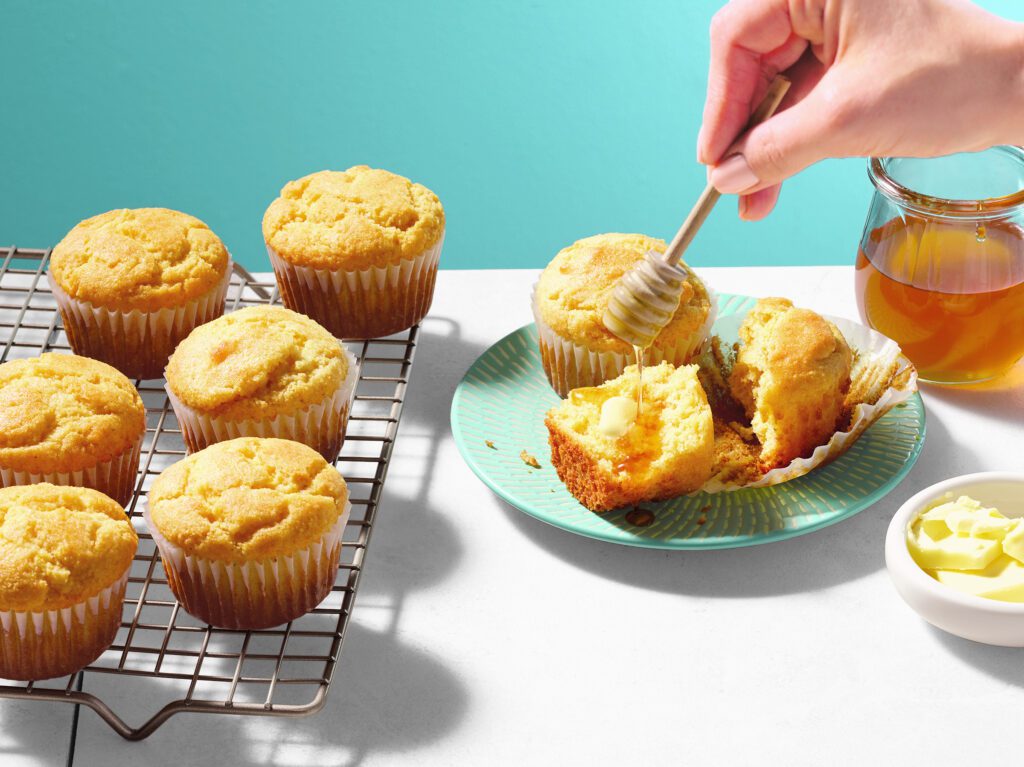
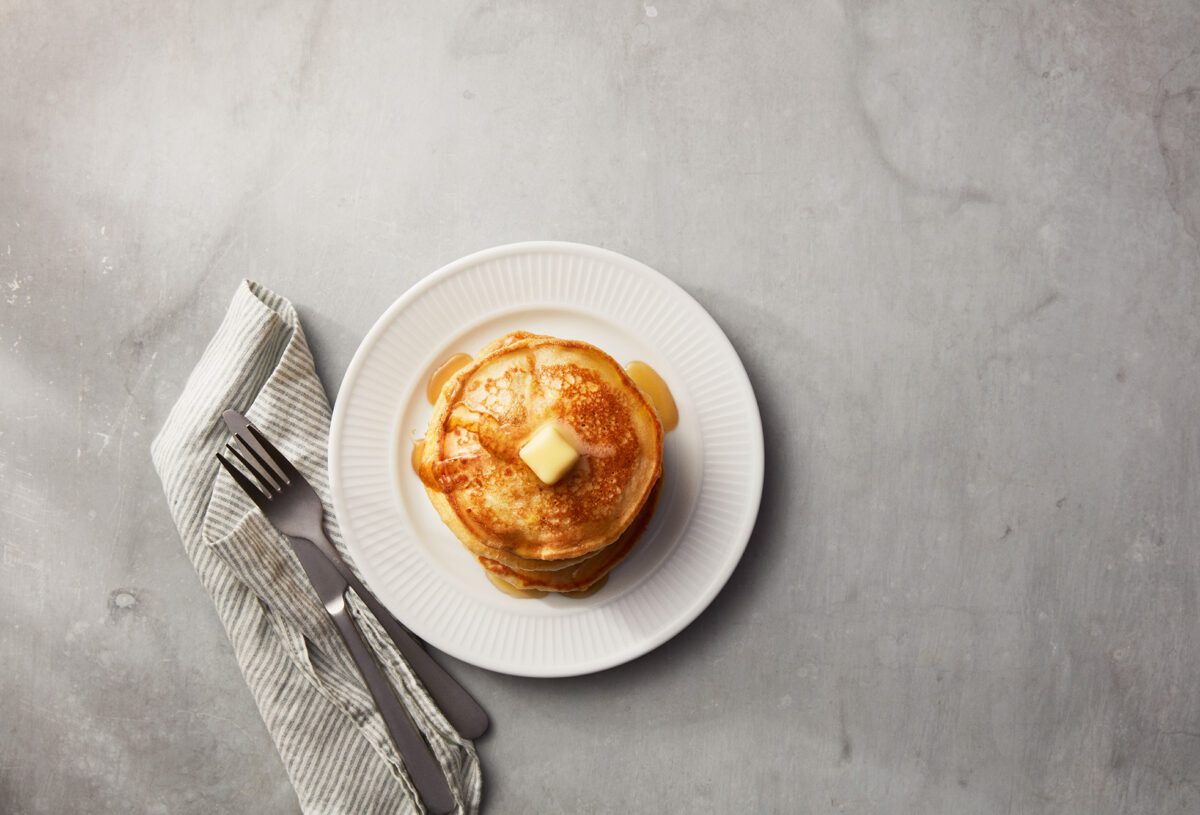
Try combining softened butter with honey, cinnamon or a little maple syrup for a simple topping that pairs beautifully with warm Krusteaz pancakes, freshly baked muffins or golden cornbread.
Looking for inspiration? Our Cinnamon Honey Butter recipe combines softened butter, honey, powdered sugar and cinnamon for a sweet, creamy spread that’s ready in just five minutes.
Softened Butter Vs. Melted Butter: What’s The Difference?
Although both start with the same ingredient, softened and melted butter behave differently in baking.
Softened butter retains its structure, allowing it to trap air when creamed with sugar. Melted butter, on the other hand, is liquid and blends into ingredients differently.
Here’s a quick breakdown:
| Butter Consistency | Texture | Common Baking Uses |
| Cold Butter | Firm and solid | Pie crusts, biscuits and crumb toppings |
| Softened Butter | Pliable and spreadable | Creamed cookie dough, cakes, frosting and flavored butter |
| Melted Butter | Liquid | Brownies, certain quick breads and recipes specifically calling for melted butter |
It’s important to remember that softened and melted butter aren’t always interchangeable.
For example, some brownie recipes specifically call for melted butter to help achieve a rich, dense texture. Meanwhile, cookie recipes that rely on creaming butter and sugar typically need softened butter to produce the intended results.
When using Krusteaz baking mixes, always follow the preparation instructions on the package or recipe. Different mixes are developed with specific ingredients and preparation methods in mind, so there’s no need to soften butter unless the directions call for it.
Common Mistakes To Avoid When Softening Butter
Even something as simple as softening butter can come with a few surprises. Fortunately, these common mistakes are easy to avoid.
Using Butter That’s Too Warm
Softened butter should never look oily or lose its shape. If your butter becomes too warm, refrigerate it briefly until it firms up to the right consistency before using it in recipes that call for softened butter.
Heating Butter Too Quickly
Microwaving butter on full power can cause the center to melt before the outside has softened, resulting in uneven consistency. Always use a low power setting and check in short intervals to soften the butter evenly without melting it.
Assuming Every Recipe Needs Softened Butter
Different baked goods call for different butter temperatures. Cold butter helps create flaky layers in certain pastries, while melted butter works well in recipes designed for a denser texture. Always check your recipe before getting started.
Forgetting About Kitchen Temperature
Butter softens much faster in a warm kitchen than in a cool one. During warmer months, check your butter more frequently to prevent it from becoming overly soft.
Frequently Asked Questions About Softening Butter
How Long Does It Take Butter to Soften at Room Temperature?
Butter typically takes about 30 to 60 minutes to soften at room temperature, depending on the temperature of your kitchen and the size of the butter. Cutting it into smaller pieces can help reduce the waiting time.
Can You Soften Butter in the Microwave?
Yes! You can soften butter in the microwave using a very low power setting and short, 5-second intervals. Check the butter frequently and stop before it begins to melt.
How Do You Soften Butter in 5 Minutes?
For a quick solution, grate cold butter into thin shreds or use the warm glass method. These techniques can help butter soften in just a few minutes, although the exact time depends on the amount of butter and your kitchen temperature. A low-power microwave can be even faster.
How Do You Know When Butter Is Soft Enough for Baking?
Gently press your finger into the butter. Properly softened butter should leave a small indentation while still holding its shape. It should feel pliable, slightly cool and never greasy or melted.
Can You Use Melted Butter Instead of Softened Butter?
Not always. Melted butter changes how ingredients combine and can affect the texture of baked goods. If your recipe specifically calls for softened butter, it’s best to follow those instructions for the intended results.
What Happens if You Use Cold Butter Instead of Softened Butter?
Cold butter can be difficult to cream with sugar or incorporate evenly into other ingredients. Depending on the recipe, this may result in a lumpy mixture or a denser finished texture. However, some recipes specifically require cold butter, so always follow the directions.
Can You Put Melted Butter in the Fridge to Soften It Again?
You can refrigerate melted butter until it firms up, but it may not return to the same smooth, pliable consistency as properly softened butter. For recipes that depend on creaming butter with sugar, starting with a fresh stick is often the most reliable choice.
Does Salted or Unsalted Butter Soften Faster?
Salted and unsalted butter generally soften at similar rates. Factors like the starting temperature, size of the butter pieces and temperature of your kitchen have a much greater impact on softening time.
Ready, Set, Bake!
A little butter know-how can go a long way toward making your next baking session easier. Whether you’re preparing cookie dough, whipping up frosting or making a sweet spread for warm cornbread, knowing how to soften butter helps you get the texture your recipe needs.
And remember, baking doesn’t have to be complicated! With a few simple techniques and your favorite Krusteaz mixes, you’re always just a few steps away from something delicious.