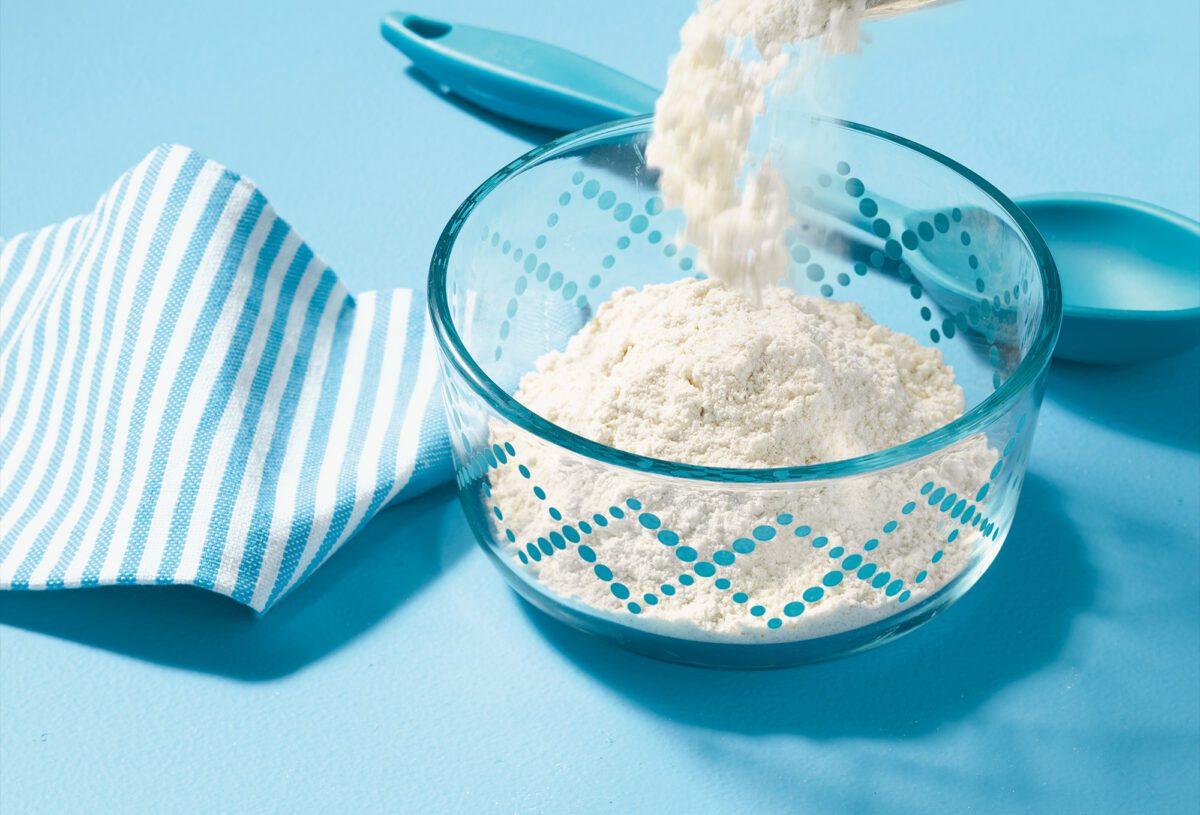
Step into almost any kitchen, and you’ll spot a bag of flour, sometimes dusting the counter, sometimes tucked neatly into the pantry. It’s such a staple that it’s easy to overlook. But in baking, flour is anything but ordinary. It’s the foundation of breads, cookies, cakes, pastries, and just about every baked good you can imagine.
Here’s the thing: not all flours are created equal. The flour you scoop can make the difference between a cookie that spreads into a puddle and one that holds its perfect chewy bite, or between a loaf that rises proudly and one that falls flat. This guide will walk you through the most common types of flour, what sets them apart, and how to choose the right one for your next bake.
Understanding Why There Are Different Types Of Flour
If you’ve ever stared down the baking aisle, overwhelmed by choices, you’re not alone. Flour isn’t “just flour.” Its protein content, how it’s milled, and how it’s refined all play a role in texture, flavor, and structure. Here’s what matters most:
- Protein content: The higher the protein, the stronger the gluten network. Strong gluten equals chewy breads; low gluten equals tender cakes.
- Milling and refinement: Flour may be finely ground or more rustic. Whole wheat uses the entire wheat kernel (bran, germ, and endosperm), giving nuttiness and density, while white flour uses just the endosperm for a lighter, softer bake.
- Recipe goals: Every bake has different needs: chewy bagels, fluffy cakes, flaky pie crusts. The “right” flour is simply the one that gets you to that texture.
Think of flour as the building material for your bake, the difference between sturdy bricks, soft pillows, or delicate layers.
Types of Flour And Their Uses
All-Purpose Flour
All-purpose flour is exactly what it sounds like, a versatile workhorse in any home baker’s pantry. Made from a blend of hard and soft wheat, it strikes a balance between protein content (which helps develop gluten) and tenderness. With a protein level typically around 10-12%, all-purpose flour is suitable for a wide range of baked goods, including:
- Cookies and brownies
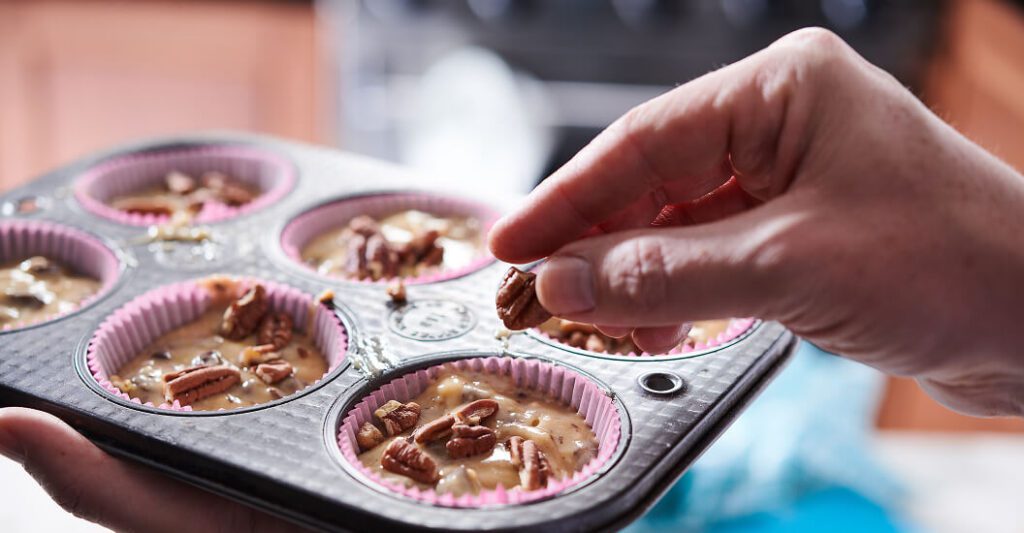
- Quick breads and muffins
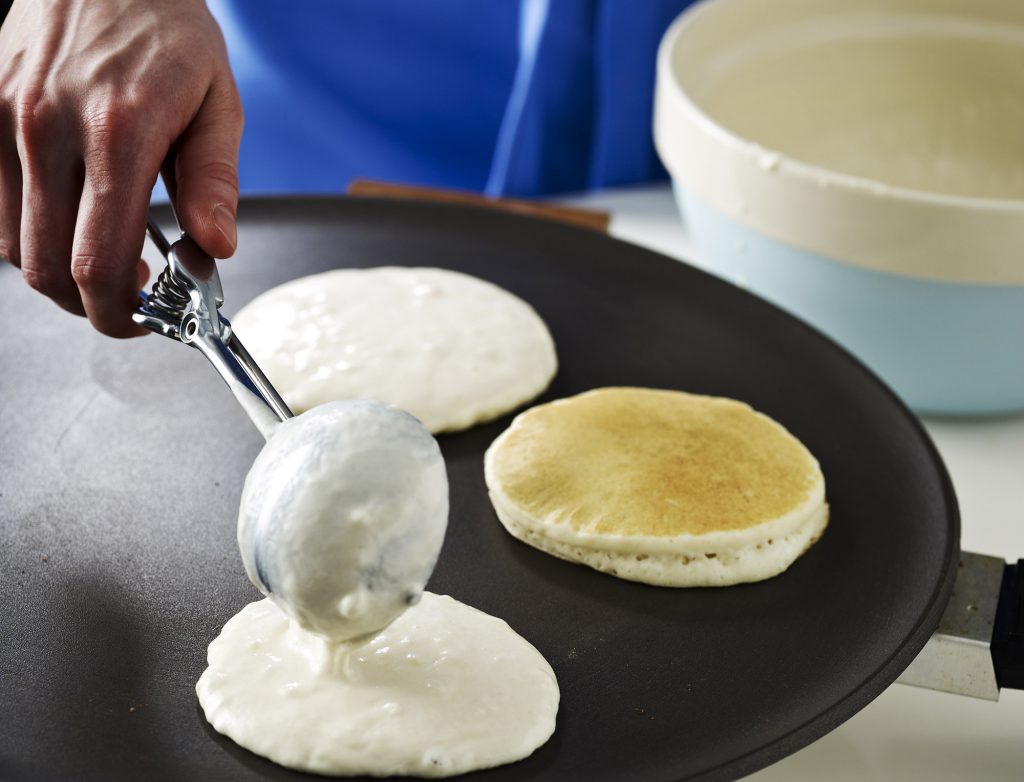
- Pancakes and waffles
- Some yeast breads
It’s forgiving, versatile, and often the default in recipes. Just keep in mind: swap it for a higher- or lower-protein flour, and you’ll change the texture.
Bread Flour
If your goal is chewy, airy, and structured bread, bread flour is your best friend. This flour is made from hard wheat and has a higher protein content, typically 12-14%, which encourages gluten development. More gluten means dough that stretches without tearing, allowing yeast-leavened breads to rise beautifully. Bread flour is ideal for:
- Artisan loaves and sandwich bread
- Pizza dough
- Bagels and pretzels
Cake Flour
For baked goods that are tender, light, and melt-in-your-mouth, cake flour is the go-to choice. Made from soft wheat with a lower protein content (usually 7-9%), it produces less gluten, resulting in a finer, softer crumb. Cake flour also often comes bleached, which affects how it interacts with other ingredients and helps baked goods hold their shape. Use cake flour for:
- Layer cakes and sponge cakes
- Cupcakes
- Light muffins and pastries
When precision matters, especially in delicate recipes like chiffon cakes or angel food cakes, reaching for cake flour can make all the difference in achieving that airy, soft texture.
Pastry Flour
Pastry flour falls somewhere between all-purpose and cake flour, typically with a protein content around 8-10%. This makes it versatile for baked goods that require a tender but slightly sturdier structure than cake flour provides. Pastry flour is perfect for:
- Pie crusts
- Tarts
- Biscuits
- Scones
The balance of tenderness and strength helps pastry doughs hold their shape without becoming tough, a key factor when aiming for flaky layers.
Whole Wheat Flour
Whole wheat flour includes the entire wheat kernel: bran, germ, and endosperm. This gives it a rich, nutty flavor and a denser texture than white flours. Whole wheat flour is higher in fiber and nutrients but can make baked goods heavier if used exclusively. Many bakers choose to combine it with all-purpose flour to maintain structure while incorporating the flavor and nutrition of whole grains. Whole wheat flour works well for:
- Hearty breads and rolls
- Muffins and quick breads
- Pancakes and waffles
When baking with whole wheat flour, consider slightly increasing the liquids in your recipe and giving dough extra time to rise for optimal texture.
Self-Rising Flour
Self-rising flour is essentially all-purpose flour with baking powder and a touch of salt already added. It simplifies baking by reducing the number of ingredients you need to measure. Self-rising flour is best for:
- Biscuits
- Quick breads
- Pancakes and waffles
Keep in mind: because it already contains leavening, self-rising flour isn’t a direct substitute for all-purpose flour in recipes that call for yeast or other leavening agents.
Specialty Flours
Beyond these basics, the baking world is filled with specialty flours that offer unique flavors, textures, or dietary benefits. Some popular options include:
- Almond Flour: Adds moisture and a nutty flavor, making it a staple in gluten free baking. Its fine texture is also essential for achieving the smooth, delicate shells of macarons.
- Oat Flour: Brings subtle sweetness and works well in cookies and muffins.
- Rye Flour: Commonly used in artisanal breads, adds a distinctive earthy flavor.
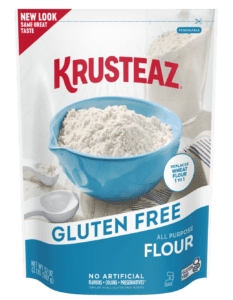
- Gluten Free Flour: Combines rice, tapioca, and other starches to mimic wheat flour in gluten free recipes.
Experimenting with these flours can unlock new dimensions in your baking, but note that ratios and techniques often need adjustments compared to traditional wheat flours.
Bleached Vs. Unbleached Flour: What’s The Difference?
Both types of flour start the same way, but processing sets them apart:
- Bleached flour is treated with a small amount of food-safe agents to speed up the natural aging process, which improves baking performance. This aging makes the flour whiter and softer and creates lighter, more delicate crumbs that are perfect for cakes, cookies, muffins, and pancakes.
- Unbleached flour ages naturally, with a creamier color and denser texture. It’s sturdier, making it ideal for breads, pizza dough, and pie crusts.
Bottom line: use either if that’s what you have on hand, but lean bleached for tenderness and unbleached for structure.
Quick Tips For Choosing The Right Flour
With so many flour options, how do you know which one to use? Here are some quick guidelines to keep in mind:
- Everyday baking: All-purpose is your safest bet.
- Chewy, structured loaves: Bread flour shines.
- Light, soft treats: Cake flour or bleached all-purpose.
- Flaky pastries: Pastry flour or unbleached all-purpose.
- Hearty flavor and nutrition: Blend whole wheat with all-purpose.
- Something new: Try almond, rye, or coconut flour for a flavor twist.
Kneading It All Together
At the heart of every loaf, cookie or cake is flour, the quiet hero shaping texture, structure, and flavor. Choosing the right type isn’t just a detail; it’s the difference between good and spectacular.
- Bread flour builds chewy crusts and airy centers.
- Cake flour creates feather-light layers.
- Whole wheat brings wholesome heft.
- Specialty flours open doors to new tastes and textures.
The magic lies in matching flour to the job. Want pizza night to shine? Grab bread flour. Craving something delicate? Cake flour’s your friend. Baking is part precision and part discovery. Each bag of flour is an invitation to experiment, to taste, and to surprise yourself.
So next time you scoop from the bag, do it with confidence and curiosity. Because flour is the beginning of something delicious.