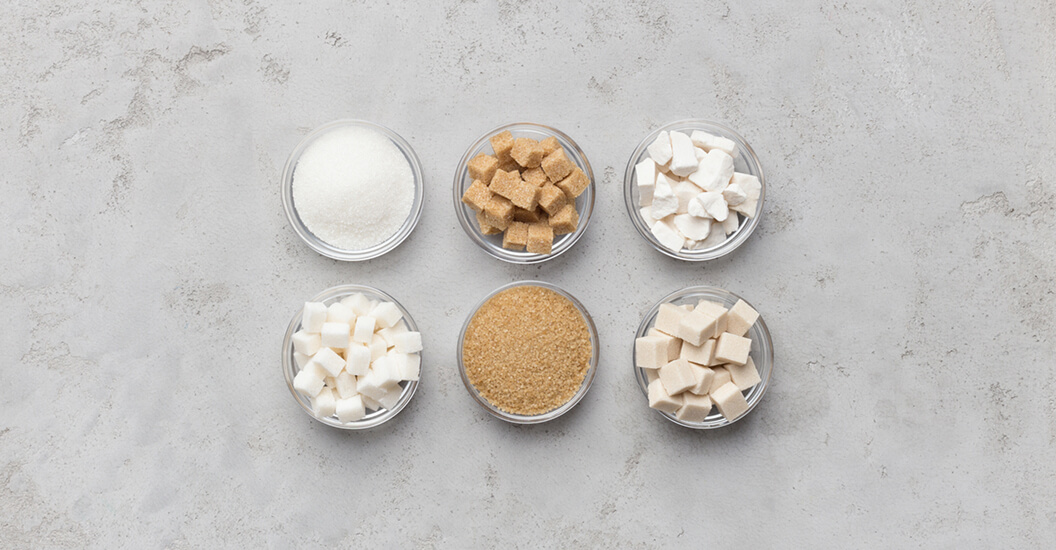
Sugar is more than just a sweet sprinkle on top of your baked treats. From classic granulated sugar to rich brown sugar and fine powdered varieties, each type has its own unique qualities. Understanding these differences can make a big impact in your baking. With our helpful guide, you can explore types of sugar and learn how to choose the right one for every recipe.
Sugar isn’t just a sweetener. As a type of carbohydrate, it not only adds and develops flavor, but plays a key role in keeping baked goods moist and tender, encourages a beautiful golden-brown color, and influences texture – from soft and chewy to crisp and crunchy. When creamed with butter, sugar also traps air, helping cakes and muffins rise and stay light.
Different types of sugar affect these results in different ways, which is why choosing the right one matters. In the sections ahead, we’ll explore individual sugar varieties, explain when to use them, and share practical swap tips to help you bake with confidence.
Sugar Types Explained
Each type of sugar has its own unique texture, flavor, and baking behavior. Let’s dive into how you can bring your favorite recipes to life by unlocking a variety of flavor opportunities with something as simple as sugar.
Granulated White Sugar
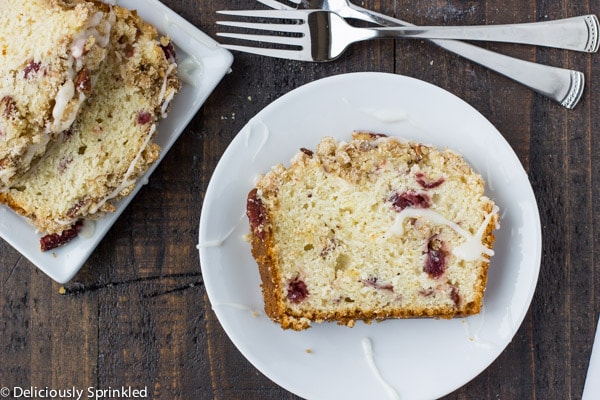
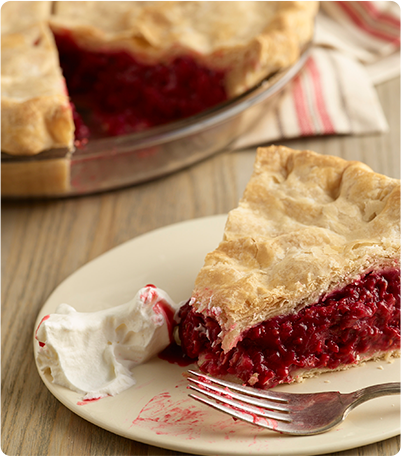
Granulated white sugar is the most popular type of sugar used in the baking world, and it’s typically what recipes are referring to when they ask for basic “sugar.” It’s dry, neutral in flavor, and evenly ground. It helps to tenderize structure to keep cakes and cookies soft and moist since it dissolves easily and can assist in trapping air inside baked goods. Here are a few of our favorite Krusteaz® recipes featuring granulated sugar:
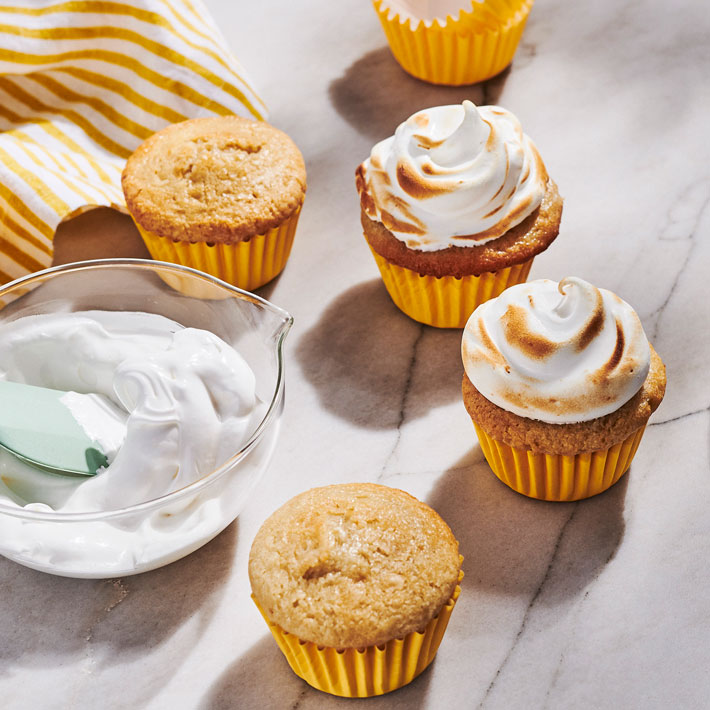
Fun Fact: The beautiful browning on the top of Krusteaz’s Lemon Meringue Cupcakes is the result of the Maillard reaction! Egg whites beaten with sugar turn golden under flame to add an artistic touch to an ordinarily simple cupcake.
Brown Sugar (Light And Dark)
Brown sugar starts as refined white sugar with molasses added back in. The difference between light and dark brown sugar comes down to how much molasses each contains. Dark brown sugar has a bit more, which gives it deeper flavor and slightly higher moisture. While that extra moisture doesn’t change your baked goods dramatically, it does bring a richer taste and color. Here are some of our favorite Krusteaz recipes that showcase brown sugar at its best:
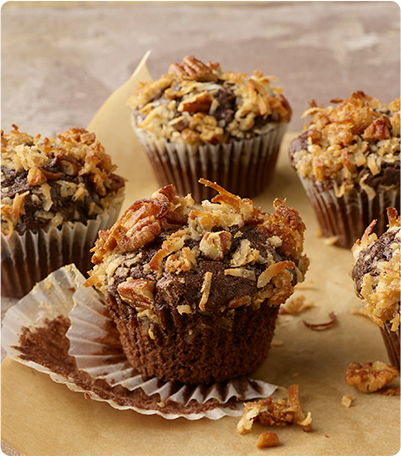
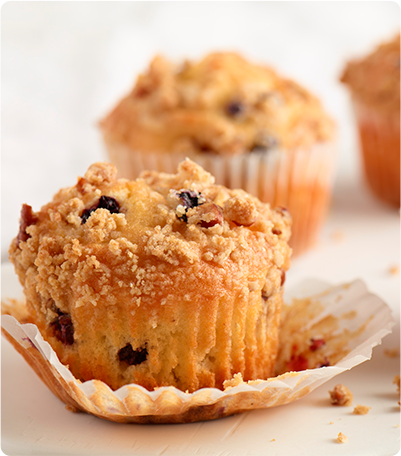
Pro Tip: Toss a slice of sandwich bread into your brown sugar storage container! It sounds weird, but trust us, the moisture in the bread keeps the brown sugar soft and ready to bake with.
Powdered Sugar (Confectioners’ Sugar)
Powdered sugar is finely ground sugar mixed with a small amount of cornstarch to prevent clumping. Its ultra-smooth texture makes it a go-to for frostings, glazes, and desserts where a melt-in-your-mouth consistency matters most, like shortbread, truffles, and cupcakes. Here are some of our favorite Krusteaz recipes that put powdered sugar to good use:
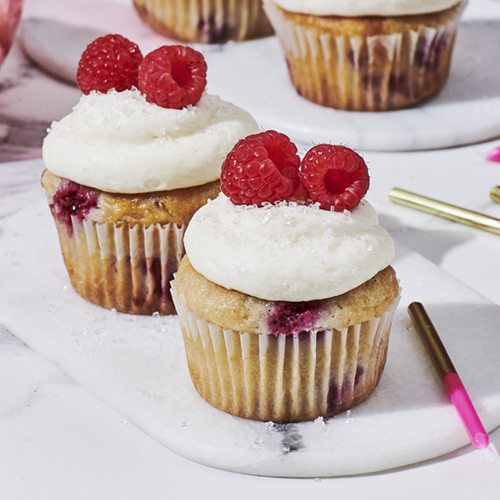
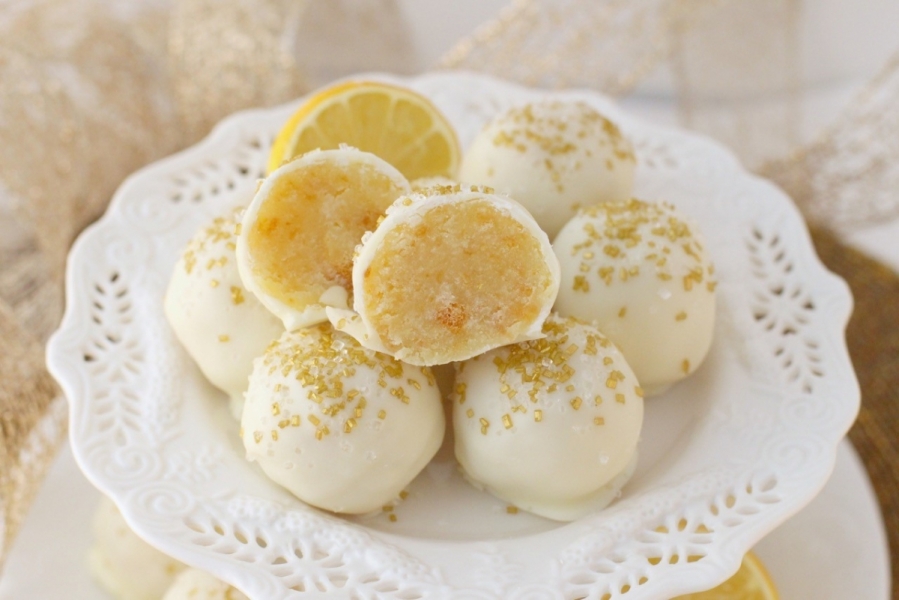
Pro Tip: You can toss granulated sugar into a blender or food processor with a bit of cornstarch to get powdered sugar in a pinch!
Raw Sugars (Turbinado And Demerara)
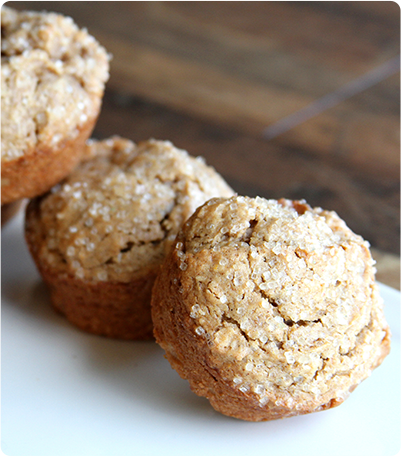
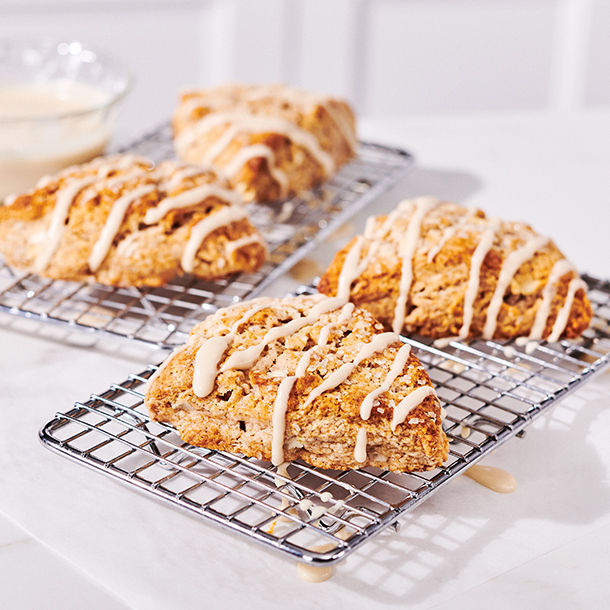
Raw sugar might sound intense, but it’s simply a coarser sugar that has been minimally processed, which means it retains more of its natural flavor and color. Turbinado and demerara are two popular varieties, often used like sanding sugar for a crunchy topping on baked goods. They shine when sprinkled over pastries like scones and muffins, adding both texture and a touch of caramel flavor. Turbinado is the variety you’re most likely to find at the supermarket, and while it’s slightly more processed than demerara, both are less suited for batters since they don’t dissolve as easily as finer sugars. Here are some of our favorite Krusteaz recipes where raw sugar makes a tasty finishing touch:
Speciality Sugars
Beyond the basics, there are plenty of specialty sugars that bring their own unique flavor, texture, and character to baked goods. These options can transform a recipe in subtle or surprising ways, making them worth exploring when you want to branch out.
Coconut Sugar is a minimally processed sugar with a dry texture and a warm, caramel-like taste. It can be swapped 1:1 for white or brown sugar, but its distinct flavor may noticeably change the outcome of a recipe.
Superfine Sugar (Caster Sugar or Baker’s Sugar) is simply granulated sugar that’s been ground into smaller crystals. You can even make it at home with a quick spin in the blender. Because it dissolves so easily, it’s perfect for delicate creations like meringues, whipped creams, or light sponge cakes.
Muscovado Sugar is the bold sibling of brown sugar. With a sticky texture and high molasses content, it has a deep, robust flavor that pairs beautifully with rich baked goods such as gingerbread, brownies, or even savory recipes like barbecue sauce.
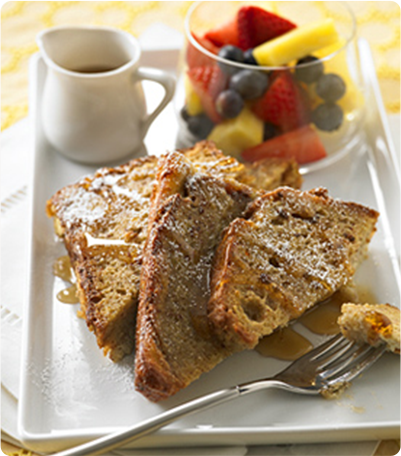
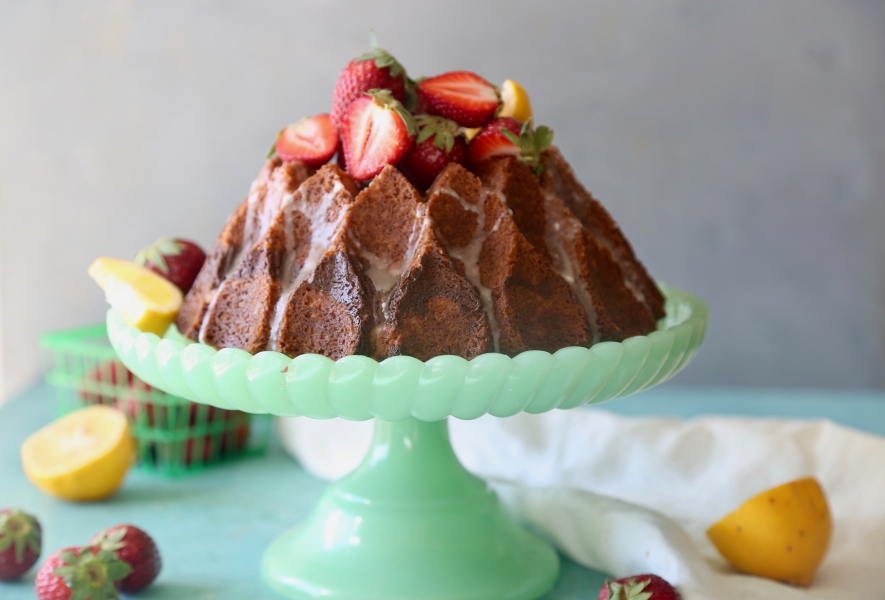
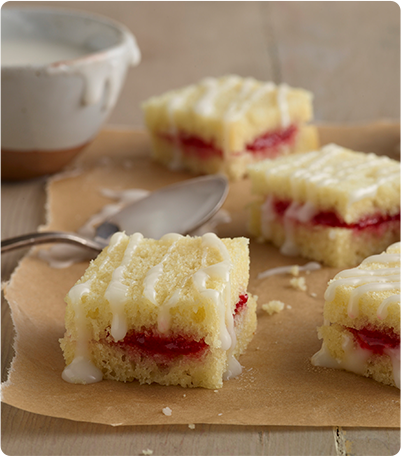
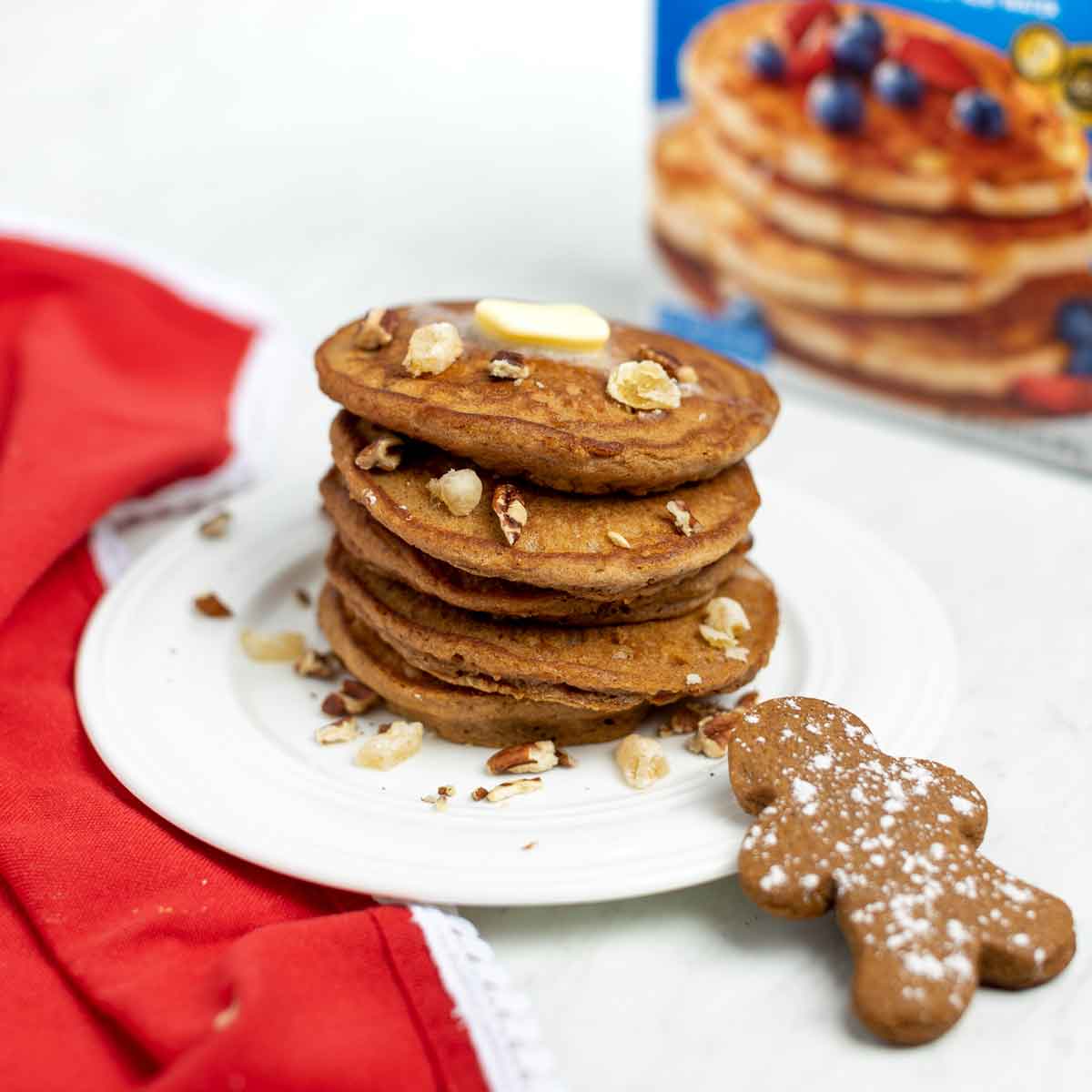
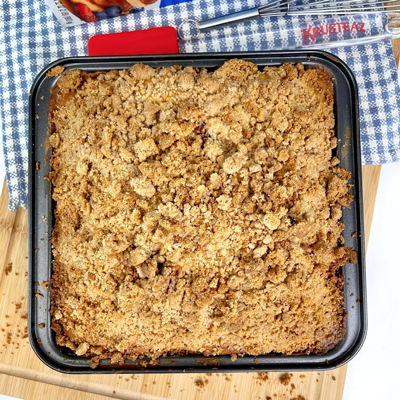
Each of these specialty sugars offers bakers new ways to play with flavor, moisture, and texture. Here are some of our favorite Krusteaz recipes where they shine:
Liquid Sugars
Liquid sugars don’t just sweeten, they transform. Options like honey, maple syrup, and molasses add moisture and depth of flavor while also affecting how baked goods brown, rise, and set. When swapping a liquid sugar for granulated or brown sugar, remember to adjust your recipe to balance sweetness and extra liquid.
Honey adds a light, floral note and tends to brown quickly, making it especially good for cakes. Use about half the amount you would for ordinary sugar.
Maple Syrup brings a woodsy, caramel-like flavor. Since it’s thinner and browns even faster than honey, reduce your oven temperature slightly and cut back on liquid in the recipe.
Molasses has a bittersweet, robust taste and is often used in fall and holiday baking. It’s perfect for giving gingerbread, spice cookies, and rich cakes their signature flavor and color.
Sugar Swap Quick Reference Chart
| Sugar Type | Flavor/Notes | Best Uses | Swap Tips/Considerations |
| Granulated White | Neutral, versatile | Cookies, cakes, brownies | Can swap with brown sugar for moisture/chewiness; may need minor adjustment to liquid |
| Brown Sugar (Light & Dark) | Caramel/molasses flavor, moist | Cookies, muffins, spice cakes | Can replace white sugar; expect softer, chewier texture |
| Powdered Sugar | Fine, smooth | Frostings, glazes, dusting | Not ideal for structure; can replace granulated in certain recipes with different textures |
| Raw Sugars (Turbinado/Demerara) | Light molasses flavor, crunchy | Toppings, muffins, cookies | Can replace granulated; adds crunch, may affect browning |
| Coconut Sugar | Caramel-like, subtle | Cakes, cookies, muffins | Can swap 1:1 with brown sugar; slightly drier texture |
| Muscovado | Rich molasses flavor | Gingerbread, spice cookies | Can replace brown sugar; adds deeper flavor and moisture |
| Liquid Sugars (Honey, Maple, & Molasses) | Sweet, moist | Glazes, quick breads, certain cakes | Reduce other liquids slightly; increases browning |
Sugar Tips For Better Bakes
Keep sugar fresh by storing it in airtight containers, away from heat and moisture. Good storage means better results in every bake.
Prevent Clumping
- Granulated Sugar: Add a mesh bag of rice or even a saltine cracker to the container.
- Brown Sugar: Keep it soft with a slice of bread, a marshmallow, or a terra cotta saver. If it hardens, microwave briefly (about 20 seconds) to loosen it up.
Quick Fixes To Common Sugar Issues:
- Excessive Spreading: Try reducing creaming time with butter and sugar.
- Pale Or Under-Browned Bakes: Add a little brown sugar for deeper color.
- Too Chewy: Cut back on moist sweeteners (brown sugar, liquid sugar, or extra eggs) and balance with more white sugar.
Put Your Sugar Smarts To Work
Baking is a great way to explore the possibilities of sugar. Even small swaps can completely change the flavor, texture, or look of your favorite treats. Try molasses for cozy depth, use demerara for crunch, or combine brown and white sugar for just the right balance. With Krusteaz baking mixes as your foundation, every experiment is a chance to create something uniquely yours and always delicious.